By nogibattery | 22 February 2024 | 0 Комментарии
Ternary Battery vs. Lithium Iron Battery: What's the Difference?
The evolution of technology has paved the way for innovation in the transportation industry. Electric vehicles (EVs) are the products of this advancement, and as more people shift towards a greener and sustainable lifestyle, the demand for EVs continues to rise. One of the most critical components of an EV is the battery, and its development has garnered increasing attention over the years. Among the different types of batteries used in EVs, prismatic cell batteries have gained interest due to their excellent power output and safety features. In this blog, we'll discuss how prismatic cells are revolutionizing the EV industry and how they compare to other EV battery types.
1.The Growing Demand for Prismatic Cells in EVs
The increasing demand for EVs comes with the need for better battery technology. Prismatic cells are a popular choice for electric vehicle batteries due to their high energy density, long cycle life, and ability to sustain high discharge rates. They are also compatible with various chemistries, enabling a wide range of applications. Compared to other battery types, prismatic cells have higher energy density and are capable of fast charging, which makes them ideal for EVs. Companies that produce EVs, such as Volkswagen, Mercedes-Benz, and Audi, have used prismatic cells in their vehicles to provide better battery performance and longevity.
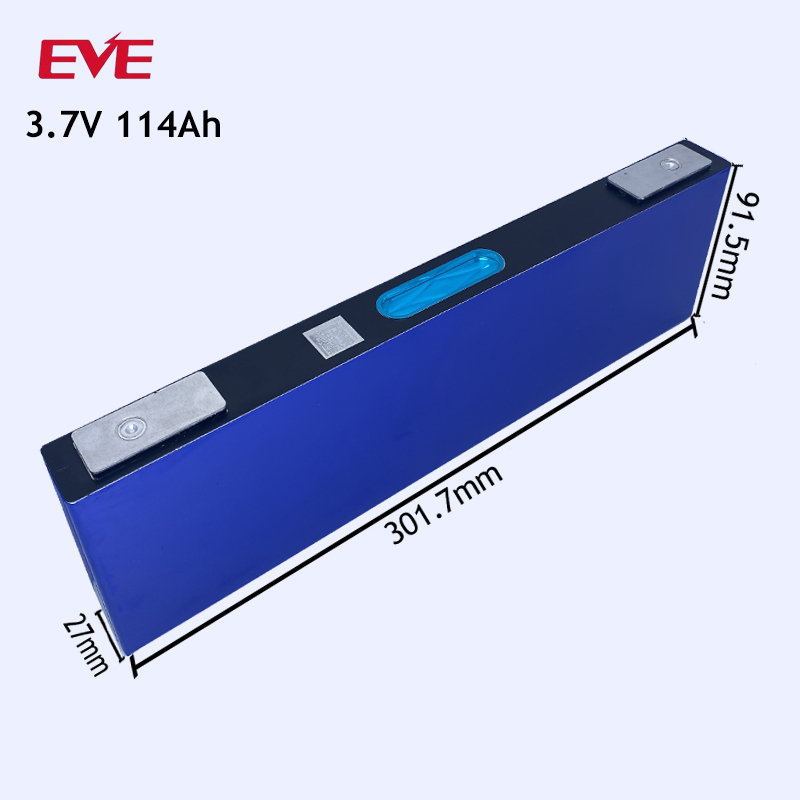
2.Comparing Prismatic Cells with Other EV Battery Types
Prismatic cells are just one of the many battery types used in EVs. Other battery types include cylindrical, pouch, and flow batteries. Cylindrical batteries, such as the ones used in Tesla's Model S and X, have a comparatively less dense battery pack, meaning they require more space to deliver the same amount of energy as prismatic cells. Pouch batteries, on the other hand, are known for their flexibility in shaping, but they are less durable and more prone to swelling. Flow batteries are still developing, and while they have several advantages over more traditional batteries, mass production remains challenging. Prismatic cells offer excellent energy density, exceptional safety features, and are an overall superior choice among EV battery types.
3.Optimizing Battery Performance in Electric Vehicles
The performance of an EV battery varies based on several factors, including temperature, driving conditions, and battery management systems. Prismatic cells are designed to operate at a high-energy density, making them ideal for rapid charging and discharging. The battery management system works to maintain the temperature of the battery, ensuring safety and prolonged battery life. In terms of reducing the impact on the environment, battery recycling also plays a significant role in maintaining a sustainable EV ecosystem. The overall performance of a prismatic cell battery depends on several factors and their optimization to provide a better driving experience for EV users.
4.Safety Features of Prismatic Cells in EVs
Prismatic cells are known for their superior safety features, which make them highly desirable for use in EVs. They have excellent resistance to overheating and short circuits, resulting in a lower risk of thermal runaway, explosion, or fire hazards. In addition, prismatic cells have lightweight, compact designs, making them ideal for use in electric vehicles without reducing the vehicle's overall safety.
5.Future Developments in EV Battery Technology
As the demand for EVs continues to increase, the development of new battery technologies is essential to meet the growing needs of customers. In addition to improving the overall battery performance, advancements in battery technology aim to reduce production costs and environmental impact. Some of the latest developments in prismatic cell technology include the use of solid-state electrolytes, which can offer higher safety, energy density, and longer cycle life while remaining lightweight and cost-efficient.
Prismatic cells have revolutionized the EV industry and continue to pave the way for cleaner and more sustainable transportation. They offer excellent energy density, prolonged battery life, and safety, making them ideal for powering EVs. Compared to other battery types, prismatic cells have essential advantages that make them a superior choice for use in EVs. If you're interested in learning more about prismatic cells or purchasing them for your EV, contact us at Tel: +8613528488114 or E-mail: sales@nogibattery.com. Through innovation and ongoing development, we look forward to seeing how prismatic cells will continue to change the technology landscape.
оставьте ответ
Ваш электронный адрес не будет опубликован. Обязательные поля отмечены. *